- News
- ·
Aug 18, 2026
- ·
Reviewed On Oct 30, 2026
Setting up in France: 3 steps to get started right
Setting up a company in France is simpler than it looks. Here are the first three steps to get started with confidence.

David Jian
Partner · Chartered Accountant

In short
Setting up a company in France comes down to three steps: choose the structure (usually an SAS subsidiary), open a bank account and deposit the capital, then register through the Guichet Unique. With the right support, plan for a few weeks.
Setting up in France can look complex from abroad. In practice, with the right support, the first steps are clear and quick.
1. Choose the right structure
Most foreign groups pick a subsidiary (SAS), which limits the parent’s liability and offers flexible governance.
A subsidiary is not the only option. A branch lets you operate without creating a separate company, but the parent is then liable for all French debts; a liaison office is lighter still, but cannot carry out any commercial activity. As soon as there are clients and revenue in France, the SAS subsidiary remains the most common choice.
On capital: French law sets no minimum for an SAS, so 1 euro is enough in theory. In practice, a very low capital makes the bank account harder to open and worries clients and landlords. Most foreign groups deposit between 1,000 and 10,000 euros, more if the activity needs working capital.
2. Open an account and deposit the capital
Opening a French bank account and depositing the capital are prerequisites for registration. This is often the longest step.
Why is this the longest step? Because the bank has to identify the foreign shareholder: the parent company’s bylaws, its register of beneficial owners, directors’ IDs, often translated and sometimes apostilled. For a shareholder outside the European Union, several weeks of back and forth are not unusual.
Two habits save time: prepare that identification file before you approach the bank, and do not limit yourself to traditional banks. Once the funds are deposited, the bank (or the notary) issues the certificate of capital deposit, the document most often missing from registration files.
3. Register the company
Once the file is complete, registration through the Guichet Unique is quick. Your company is then ready to operate in France.
Registration happens online through the Guichet Unique run by the INPI, which forwards the file to the commercial court registry, the tax office and the social bodies. You then receive the SIREN number, the Kbis extract (the company’s "identity card") and, a few weeks later, the intra-community VAT number issued by the tax office.
A few post-registration formalities remain: activating the professional account on impots.gouv.fr, taking out the compulsory insurance policies and, from the first hire, filing the social declarations. The declaration of beneficial owners is made directly in the Guichet Unique file.
How long does it take?
Timelines depend mostly on how responsive the bank is and how complex the shareholding is. As a guide:
| Step | Typical timeline |
|---|---|
| Drafting the bylaws and preparing the file | 1 to 2 weeks |
| Opening the account and depositing the capital | 2 to 6 weeks (foreign shareholder) |
| Registration through the Guichet Unique | 1 to 2 weeks |
| Intra-community VAT number | 2 to 4 weeks after registration |
SAS or SARL: the comparison
The choice of legal form depends on your project. Here are the main differences:
| Criterion | SAS | SARL |
|---|---|---|
| Director | President (individual or company) | Gérant (individual only) |
| Flexibility of the bylaws | High | Set by law |
| Director’s social regime | Assimilated employee | Self-employed if majority gérant |
| Best suited for | Subsidiary of a foreign group | Small family business |
Example of a registration file
Documents to gather:
- Signed bylaws
- Certificate of capital deposit
- Registered office address (lease or domiciliation)
- Director’s ID
- Declaration of non-conviction
Once these documents are ready, registration is done online through the Guichet Unique.
One last choice shapes everything that follows: the registered office address and the accountant who will look after the company. The criteria that matter for a foreign company are covered in our guide to choosing an accountant in France.

Key takeaways
- The SAS subsidiary is the usual choice: a branch leaves the parent liable for every French debt, and a liaison office cannot trade at all
- French law sets no minimum capital for an SAS, but most foreign groups deposit between 1,000 and 10,000 euros
- The bank account is the long pole, because the bank has to identify the foreign shareholder before the capital can be deposited
Frequently asked questions
Which structure should a foreign company choose in France?
Most foreign groups pick an SAS subsidiary, which limits the parent’s liability and allows flexible governance. A branch lets you operate without a separate company, but the parent is then liable for all French debts. A liaison office is lighter still and cannot carry out any commercial activity.
How much share capital does a French SAS need?
There is no legal minimum, so one euro is enough in theory. In practice a very low capital makes the bank account harder to open and worries clients and landlords. Most foreign groups deposit between 1,000 and 10,000 euros, more where the activity needs working capital.
Why does opening the French bank account take so long?
Because the bank has to identify the foreign shareholder: the parent’s bylaws, its register of beneficial owners and directors’ IDs, often translated and sometimes apostilled. For a shareholder outside the European Union, several weeks of back and forth are not unusual. Prepare that file before you approach the bank.
How is a French company registered?
Online through the Guichet Unique run by the INPI, which forwards the file to the commercial court registry, the tax office and the social bodies. You receive the SIREN number and the Kbis extract, then the intra-community VAT number from the tax office a few weeks later.
What still has to be done after registration?
Activate the professional account on impots.gouv.fr, take out the compulsory insurance policies, and file the social declarations from your first hire. The declaration of beneficial owners is made directly in the Guichet Unique file. Your adviser normally handles these alongside the registration itself.
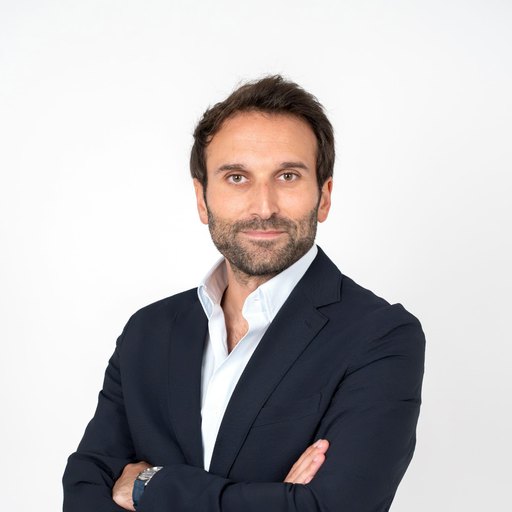
About the author
David Jian
Partner · Chartered Accountant
David Jian is a partner at Keypoint International, a chartered accountant and Canadian CPA. He advises international groups on setting up and running their operations in France, drawing on senior roles at PwC and Deloitte and management experience across Asia, the Americas and Europe.
A question? A project? Let's talk!
Our team supports you at every step of your establishment and growth in France. Let's discuss your needs.

Benjamin Chemoul & David Jian
Partners & Certified Public Accountants